
★ KAI ★
Kai Jerzö
‘Jerzovskaja’
– Welcome to the Here and Now –


★ My Time as an Adventure Playground Leader ★
— Looking back —
Early Influences
From summer 2015 to autumn 2017, I led the adventure playground in Zurich-Affoltern, and from spring 2017 onward, I co-led it with a partner. It was a rich, intense, powerful, and beautiful time.
Growing up as the child of parents who were deeply engaged in youth work, I wanted to help create for children in the city the same adventurous spaces for play that had enchanted and shaped me in my own childhood.
From 1973 to 1981, my father was the first long-term director of the youth center and leisure facility “Hallauerhus” in Effretikon. Later, from 1981 to 1985, he also became the first director of the community center (GZ) in Zurich-Affoltern—initially in a temporary location in an old restaurant near Katzensee, and later in the new premises between Zurich-Affoltern and Unteraffoltern.
As one of the children on the “Robinson Playground” in Effretikon, near Moosburg, I built huts and made beeswax candles at the Hallauerhus. At the GZ Affoltern, my brothers and I played as young boys on the huge bowling alley (which is no longer in operation), worked in the well-equipped wood workshops, and snuck through the stage sets in the large hall.
After qualifying as a design teacher, I taught drawing, crafts, and photography from 1997 onward in many secondary school classes across the city of Zurich, including several years in Zurich-Affoltern. Later, alongside teaching at first, I worked for many years as a self-employed illustrator and book producer, until the decline of the newspaper and publishing industry forced me to reorient myself economically.
I wanted my work to be meaningful—and, at least for a time, to free me from the solitude of the drawing desk. I applied for a position as a part-time leader at the adventure playground at Glaubtenplatz in Zurich and was subsequently hired.
The Playground as a World
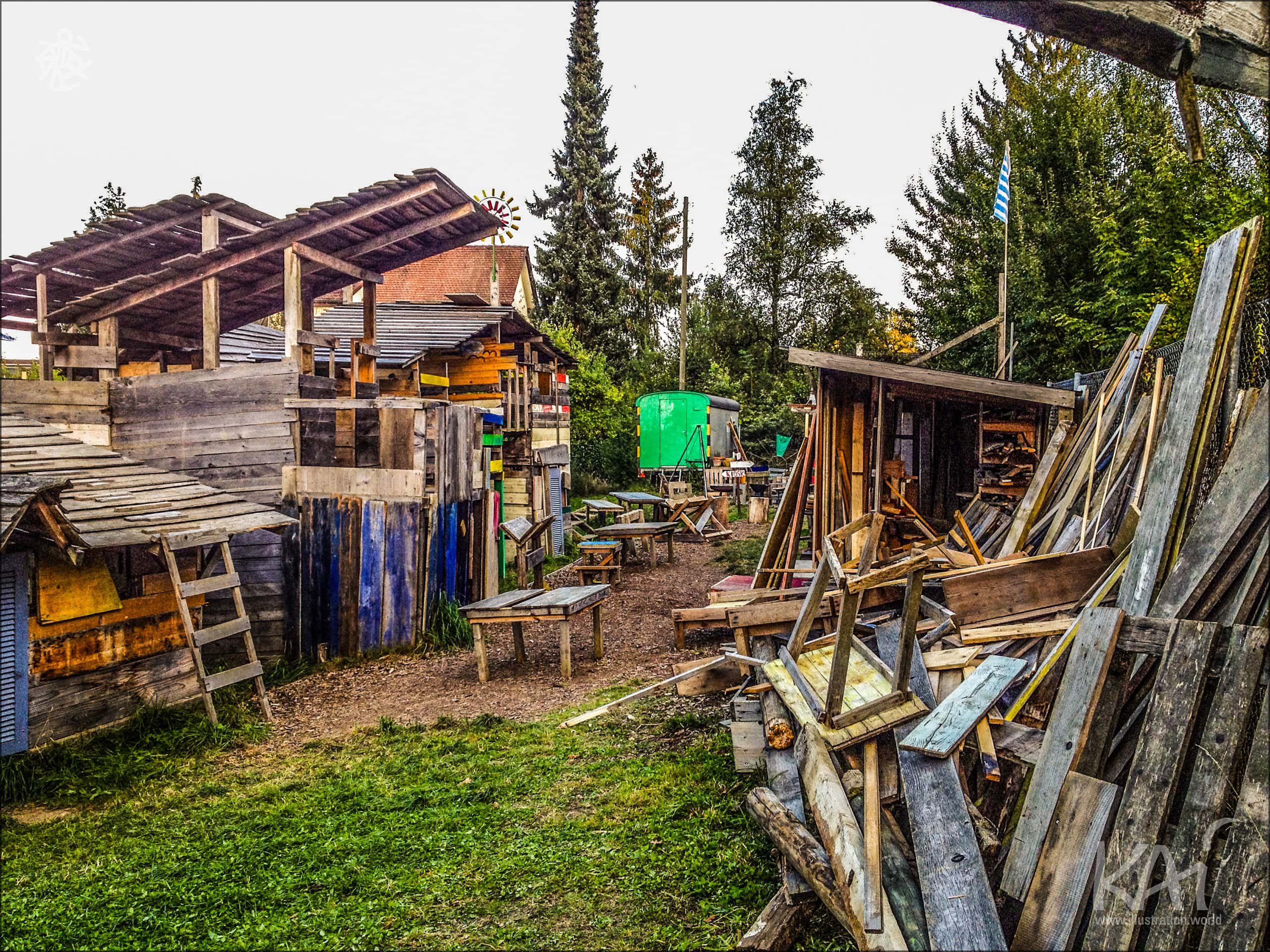
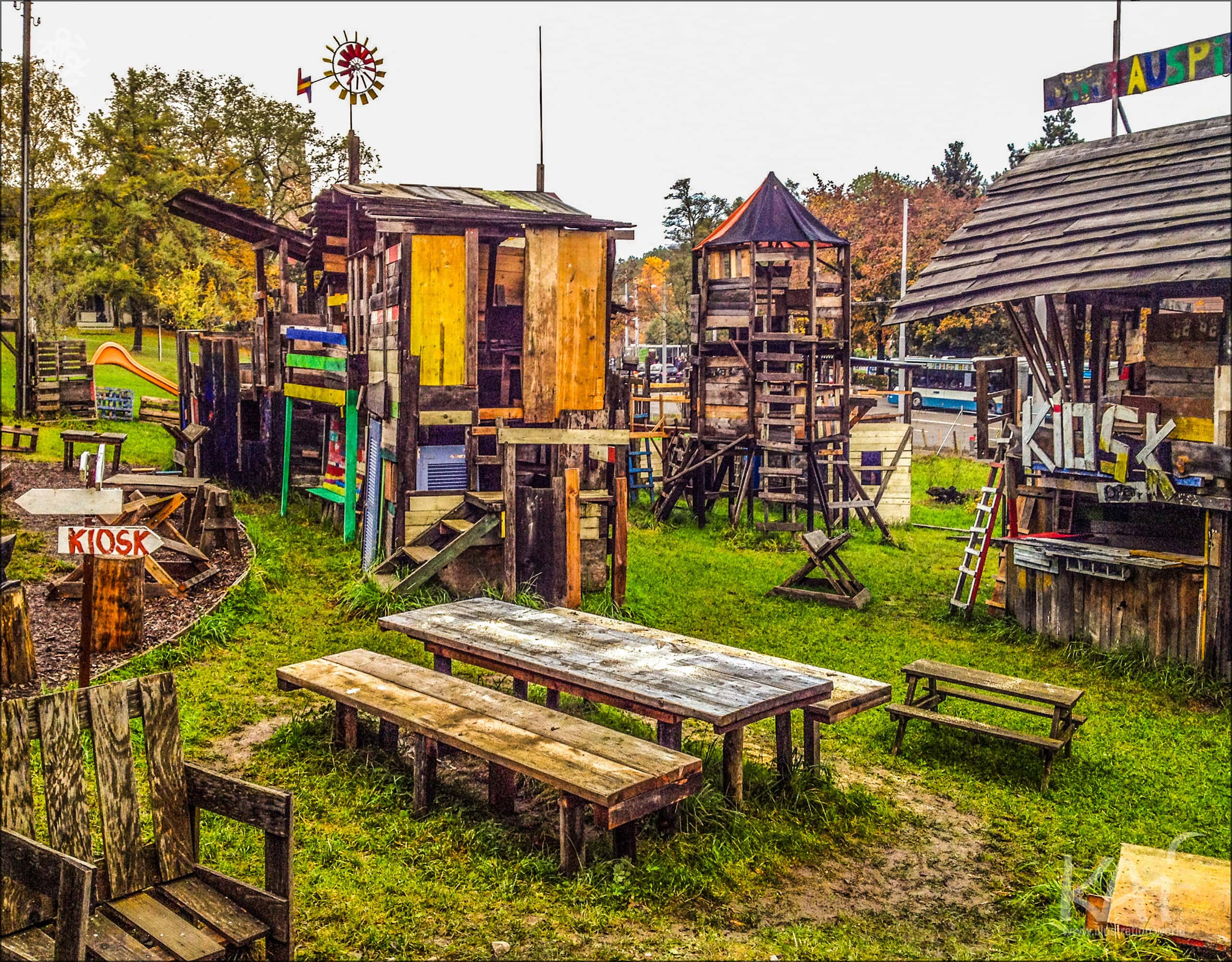
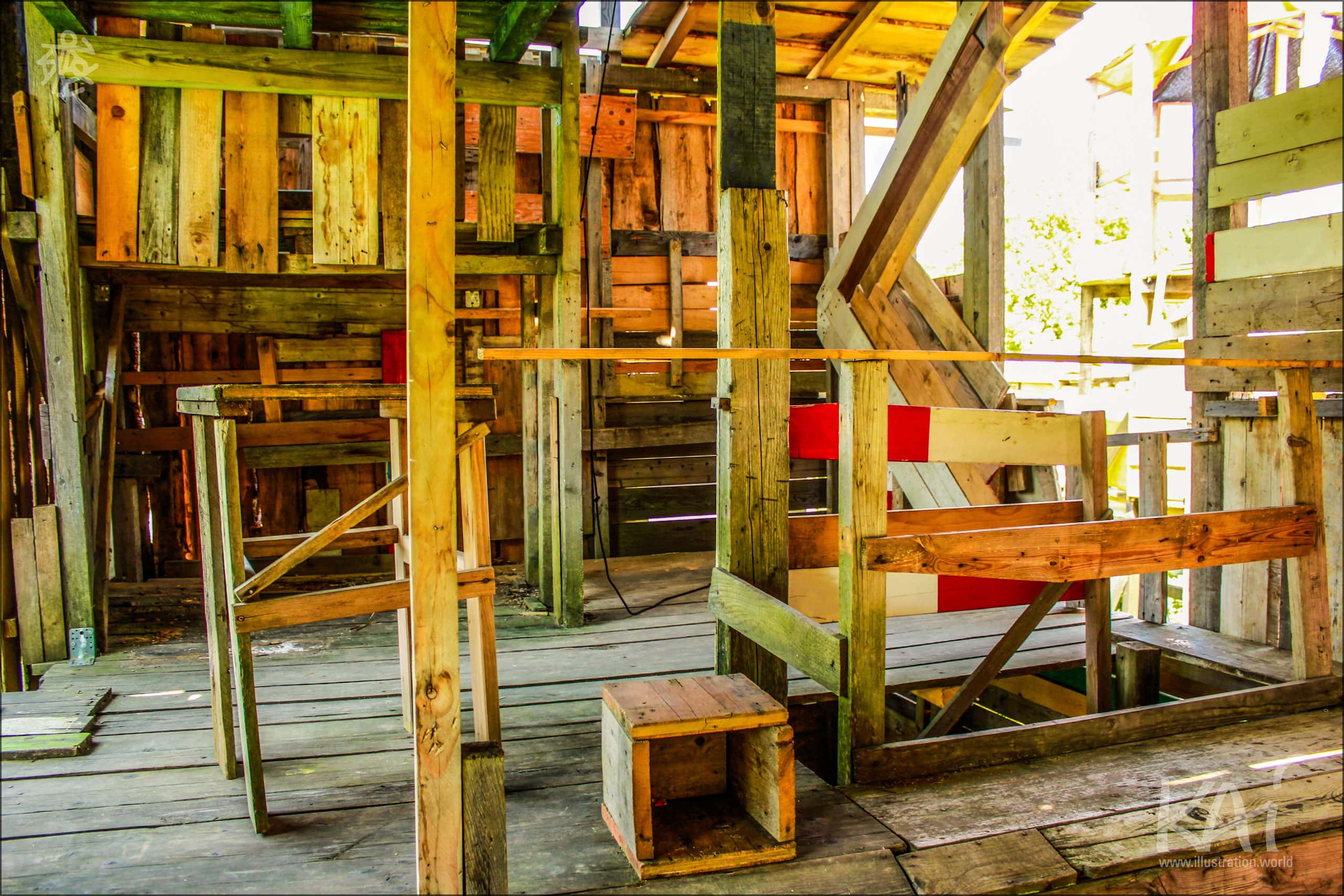
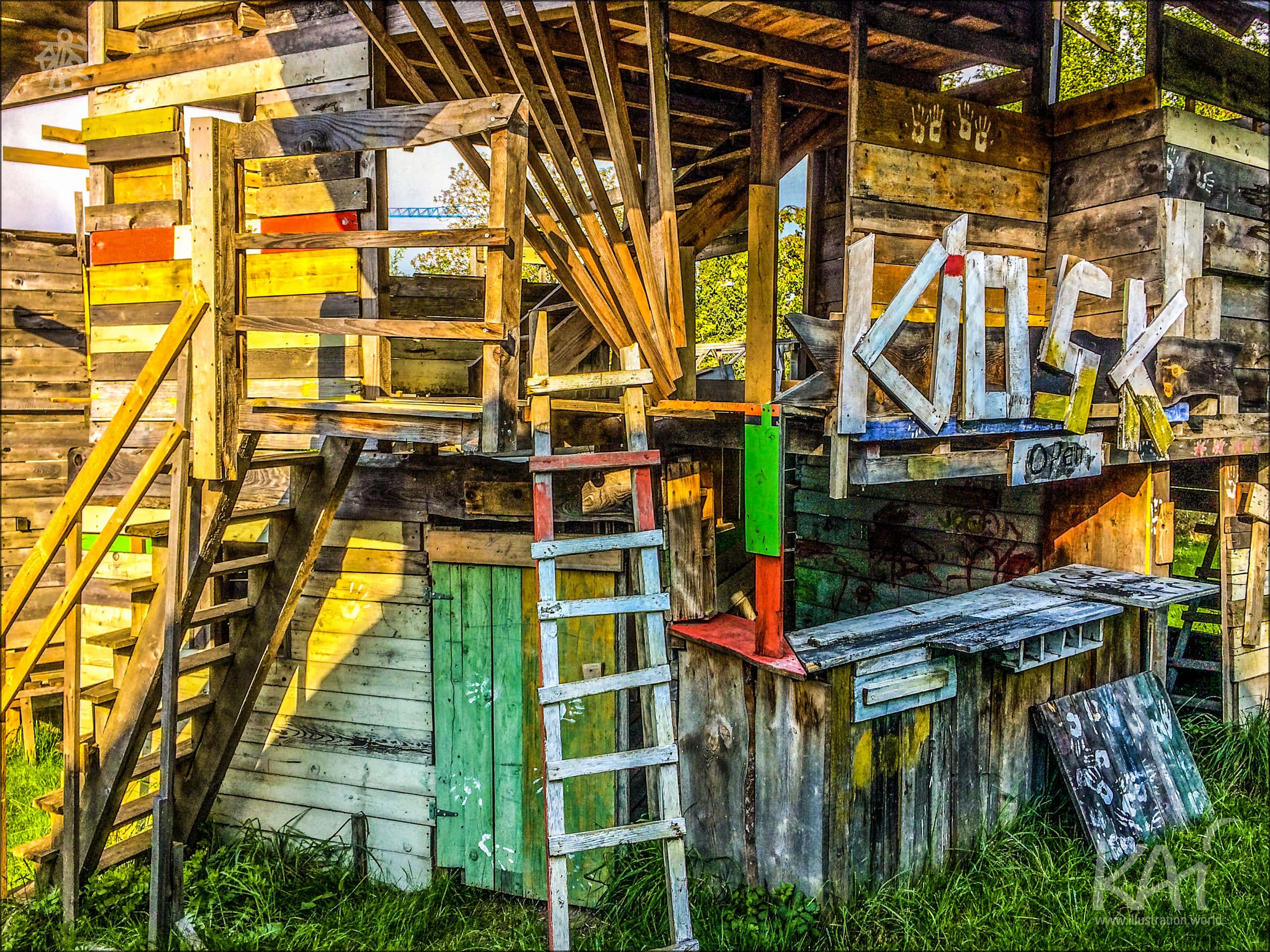
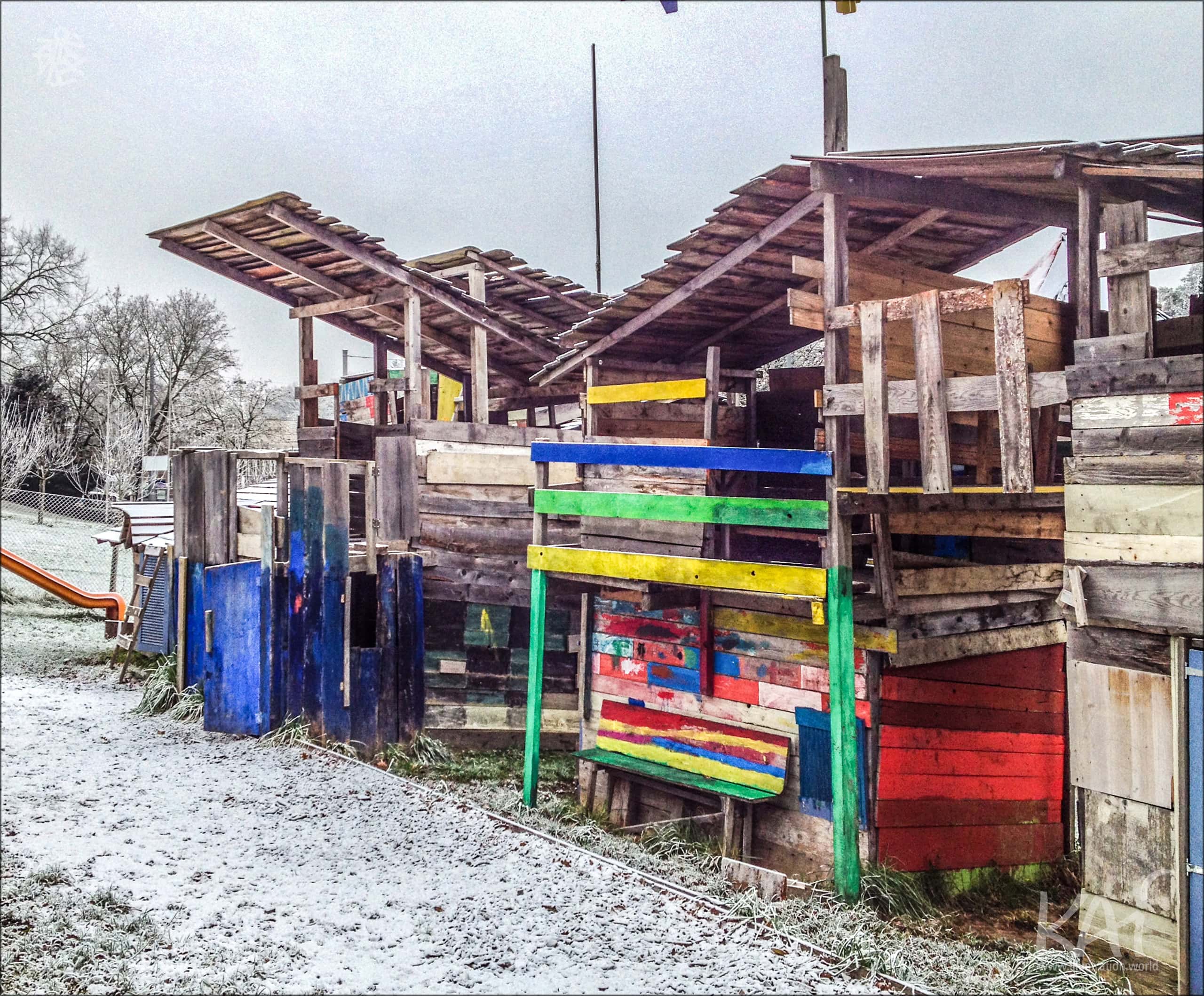
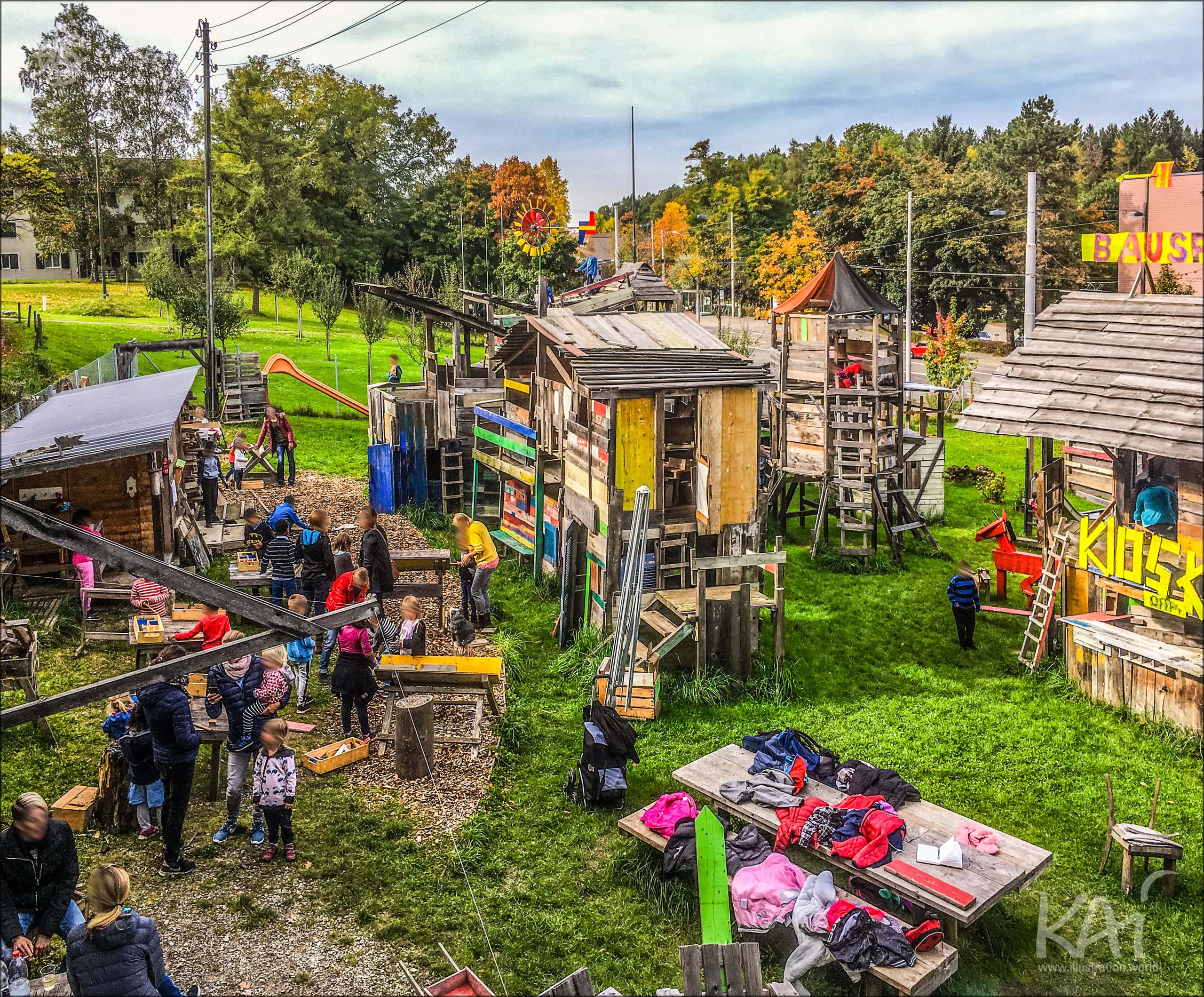
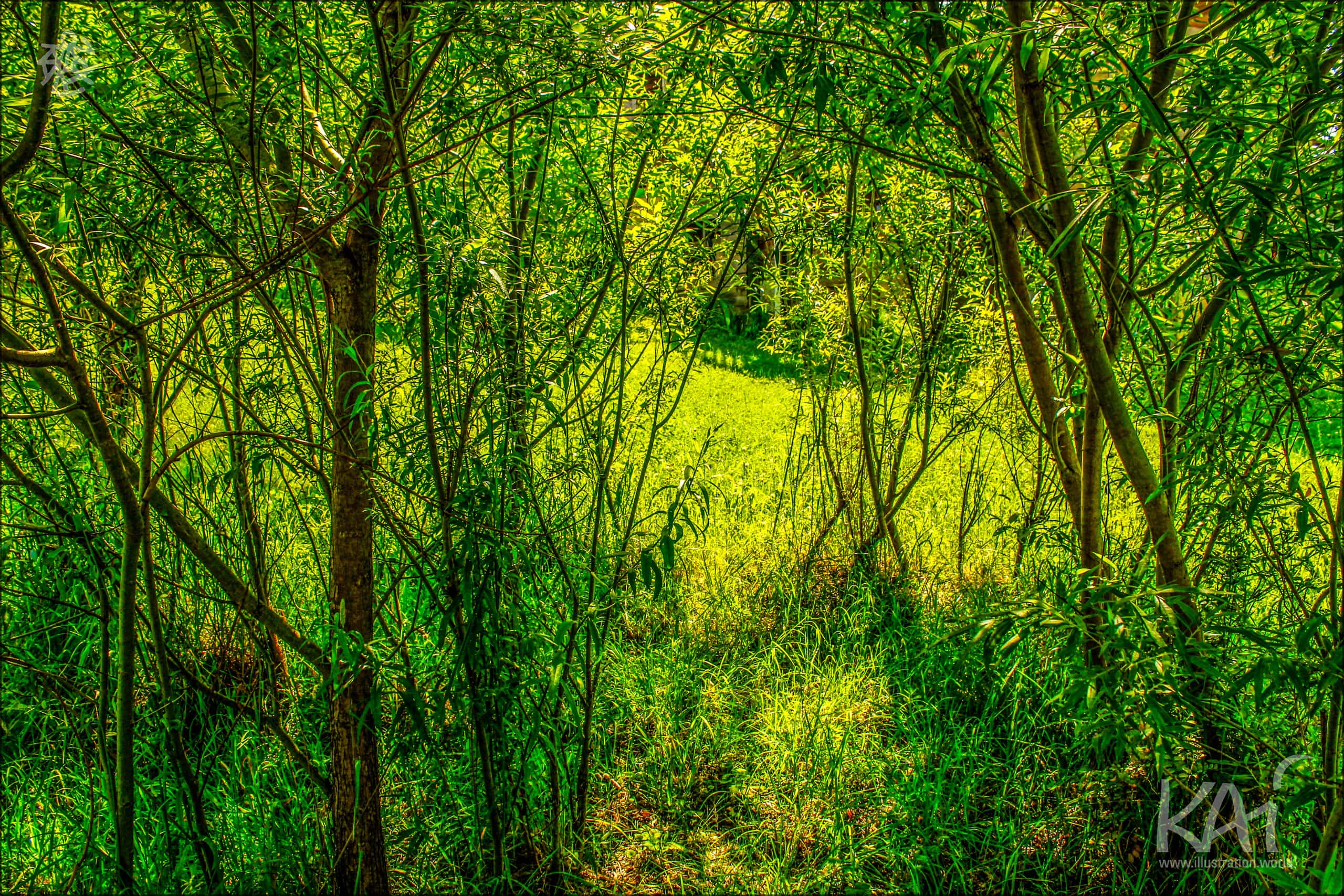
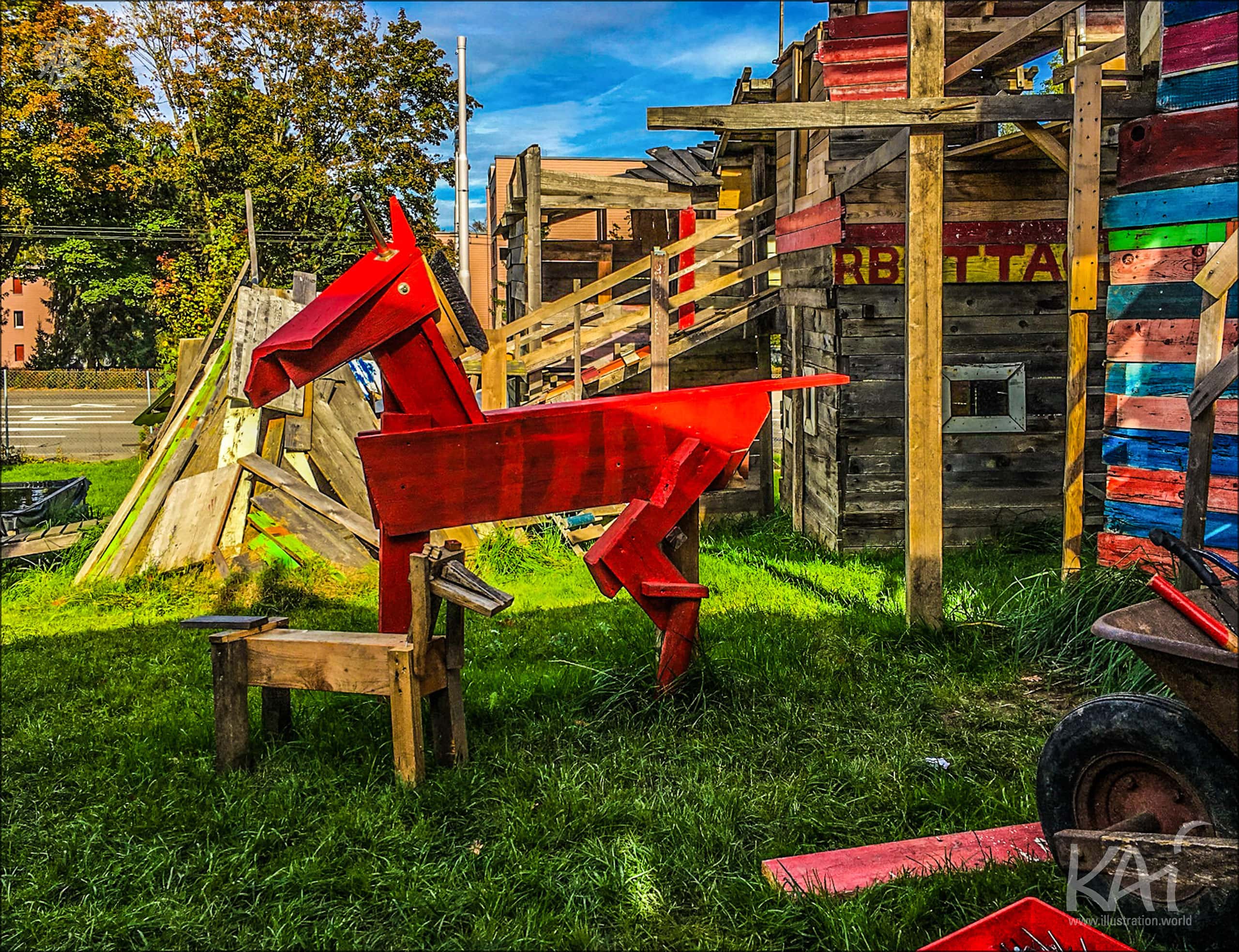
It was important to me that entering the 50-by-50-meter site felt like stepping into a world without limits on thinking—a place where experimentation, trying things out, and experiencing oneself are the central themes.
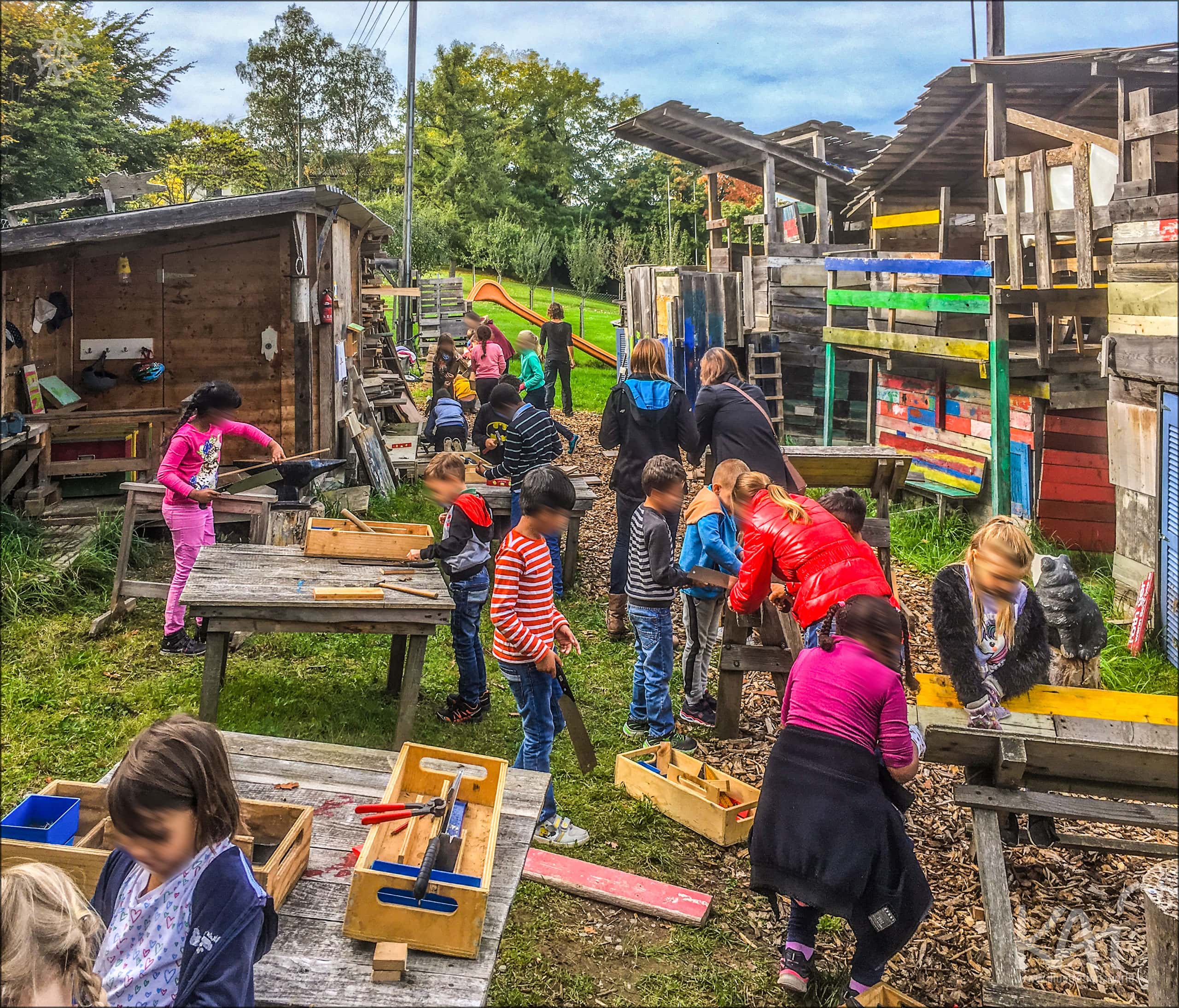
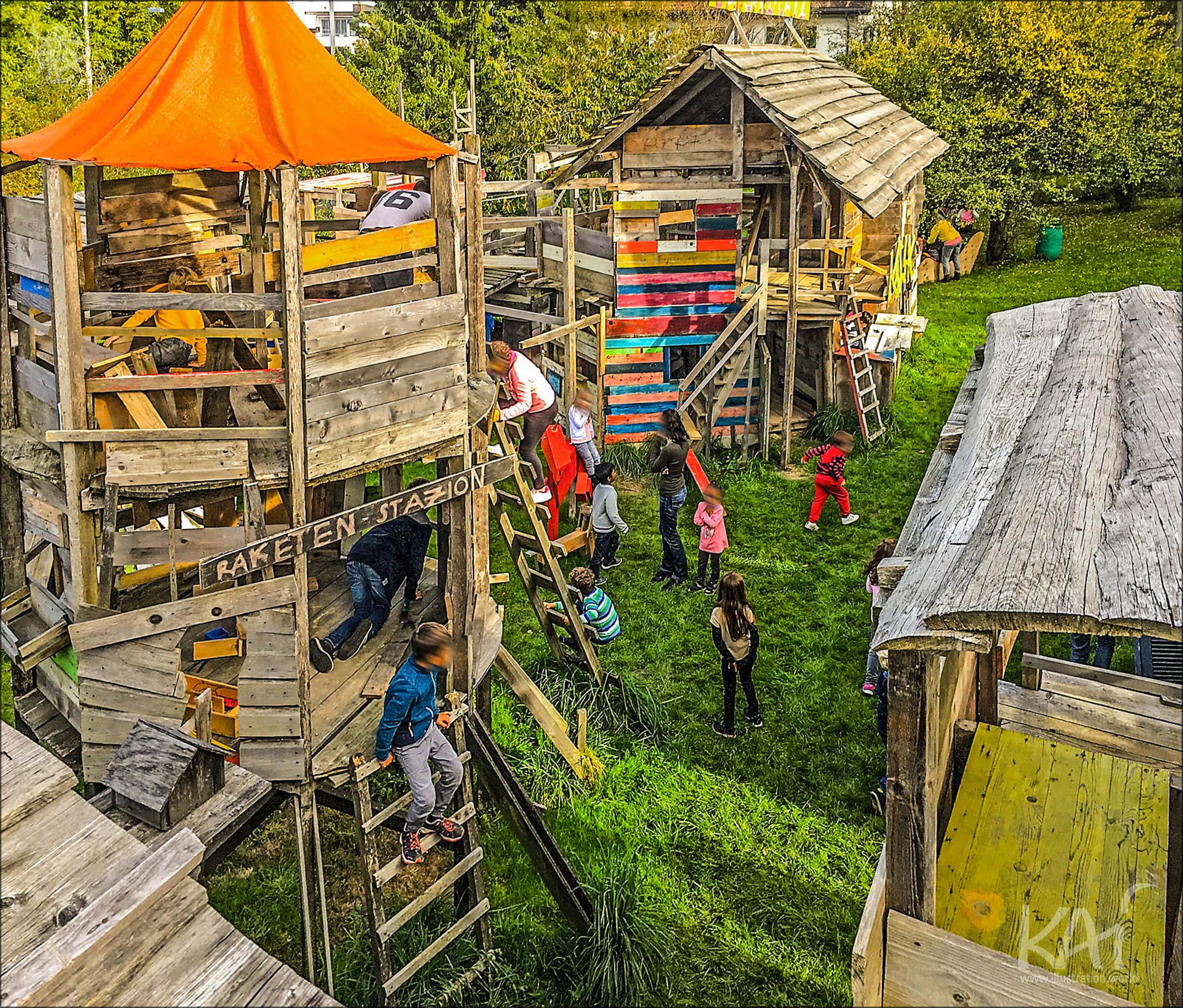
An adventure playground becomes a living, soulful place through the children and people who use it, constantly reshaping and revitalizing it. On such a playground, almost anything is allowed—as long as it does not endanger or disturb oneself or others, and as long as nature, tools, and the work of others are respected.
My inner compass for working on the playground was guided by imaginative spaces like Pippi Longstocking’s “Villa Villekulla.” My greatest reward was always the sight of children laughing, concentrating, or deeply immersed in play—children who didn’t want to go home once they had arrived.
In this world of play and adventure, this free space for exploring oneself, one encounters oneself. At a self-chosen pace and intensity, one can build confidence in one’s abilities, gain experience, and overcome fears. One can dream and live out one’s longings, gaining clarity and awareness of personal preferences and limits.
Attitude and Responsibility
As a playground leader, I expected myself to communicate clearly, firmly, kindly, and with empathy; to convey a sense of safety; to treat everyone equally—adults and children alike, though for me the children were always the main protagonists—and to insist that the few rules (respect for people, nature, and tools) be followed.
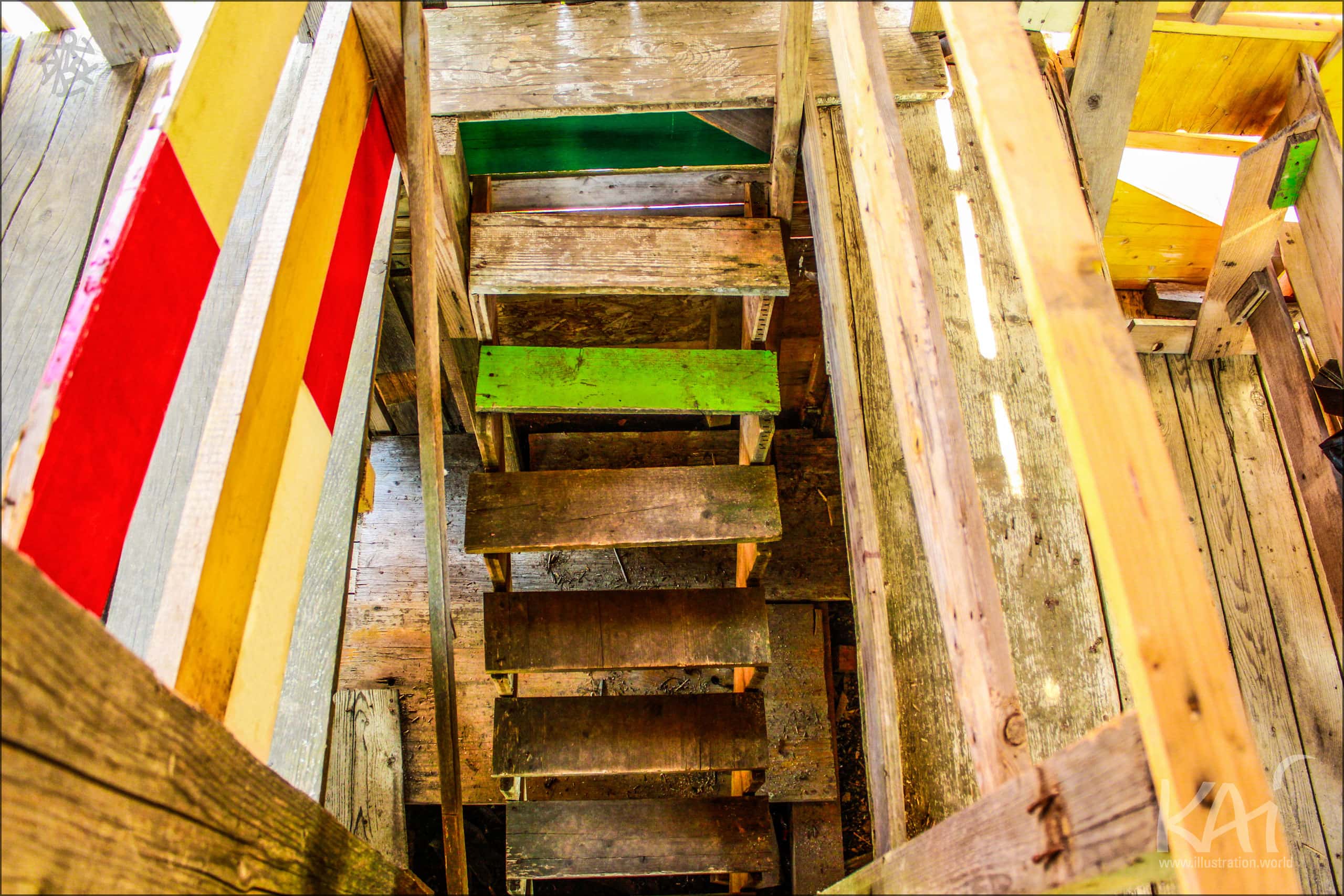
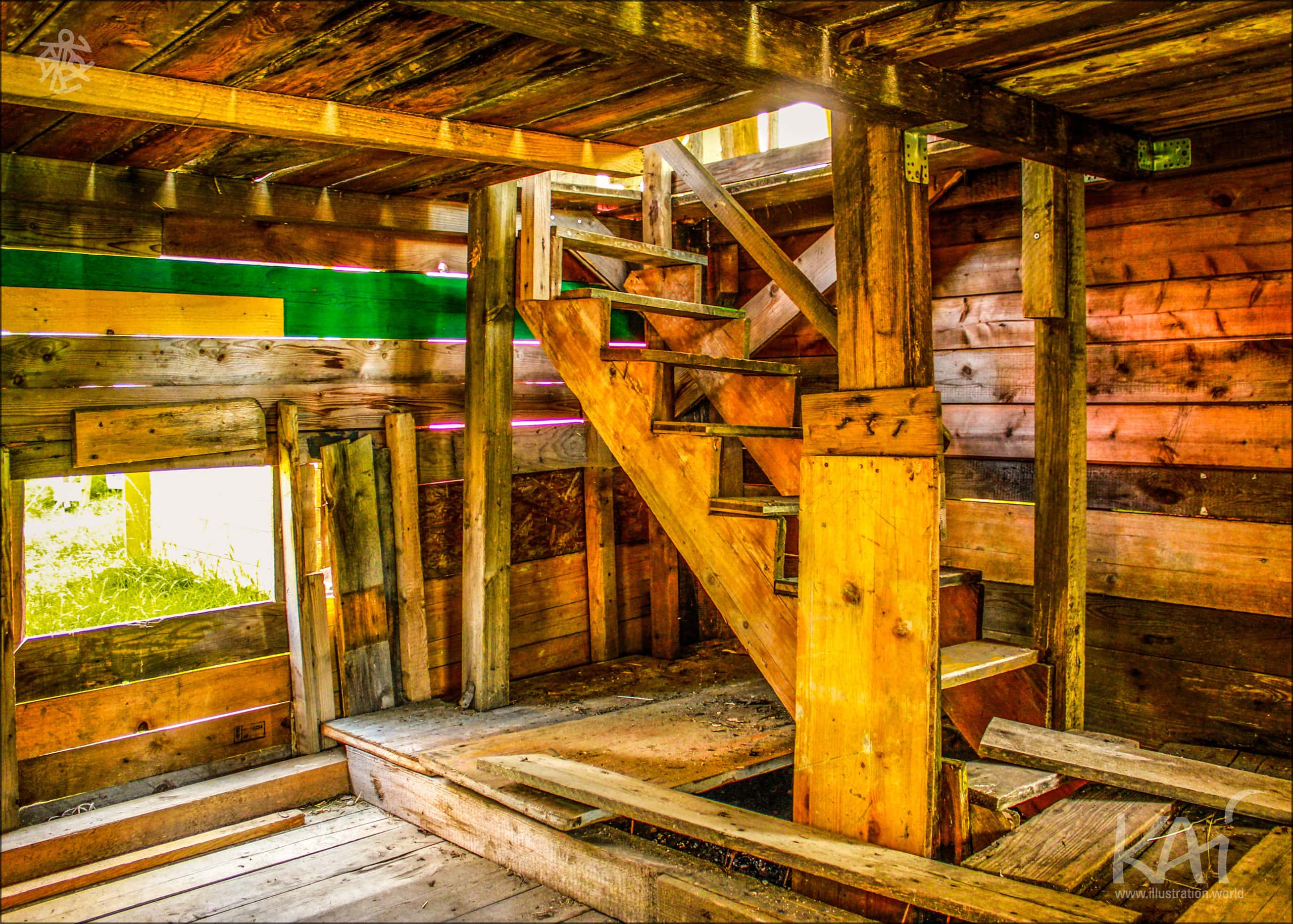
At the same time, I was responsible for structural safety, which could sometimes be quite demanding—for example, when a young hero or heroine had sawn through a staircase, or when moisture and woodlice had done their work and the wood had become rotten.
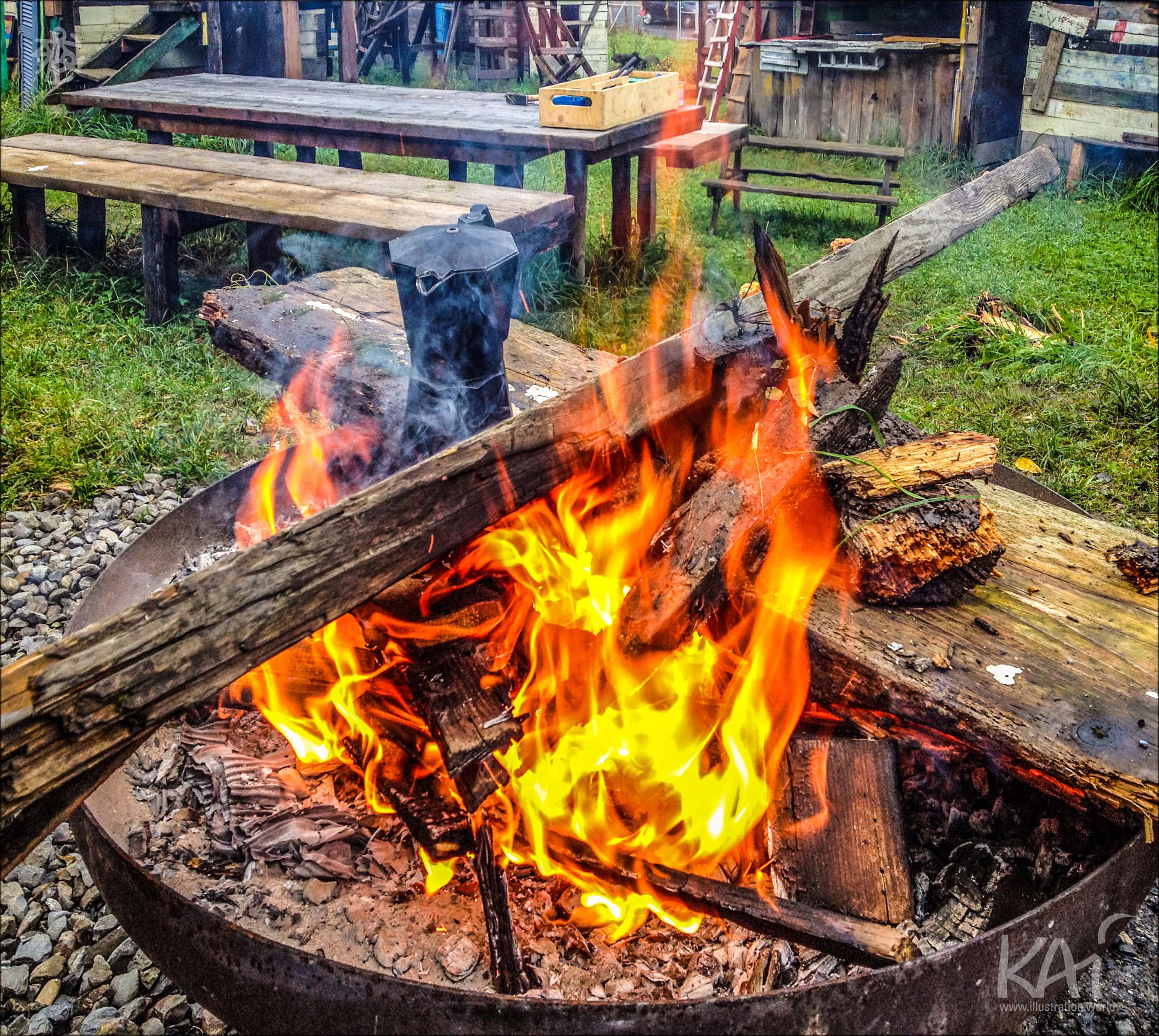
Protecting the integrity of all people on the playground was always my highest priority. At times, this meant gently distracting parents with a conversation or a coffee by the fire, so their children could have a few minutes—or even hours—of their own experiences without overly protective intervention driven by fear.
I appreciated families, groups of children, and after-school programs who enjoyed the elements—earth, air, fire, and water—and being together; who left everyday life behind, forgot their smartphones, and felt their own bodies and inner fire.
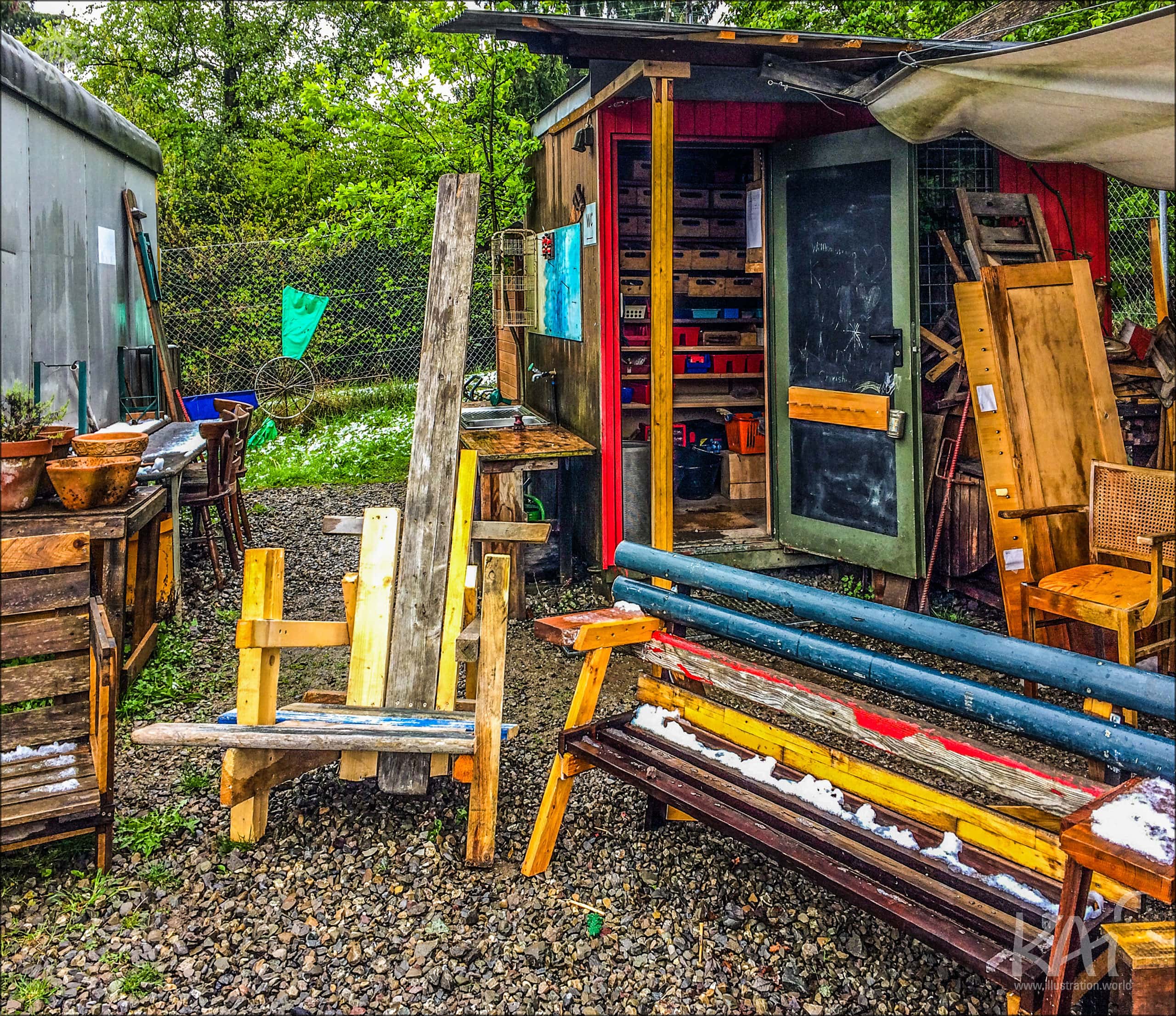
The space next to the leader’s hut became a kind of ritual place for me, and the large fire in the fire bowl was a powerful, cleansing point of initiation and welcome, around which a village-like community would form anew every Wednesday and Saturday afternoon.
Learning Through Experience
Children need to be able to be wild and should be allowed to romp around joyfully. They need to experience and feel themselves, to test how far they can go and where their limits lie. Some things must be practiced again and again until they are mastered.
Through free play and physical experience, one continuously learns, gains confidence, and becomes aware of one’s body and creative power: only by falling does one learn how to fall. Only by singing does one discover one’s free voice; only by laughing does one realize how close laughter is to tears—and vice versa. Only by hammering independently does one learn how to properly drive a nail. And that a “splinter” is not the end of the world becomes clear the second time, when the first has long been removed and forgotten.
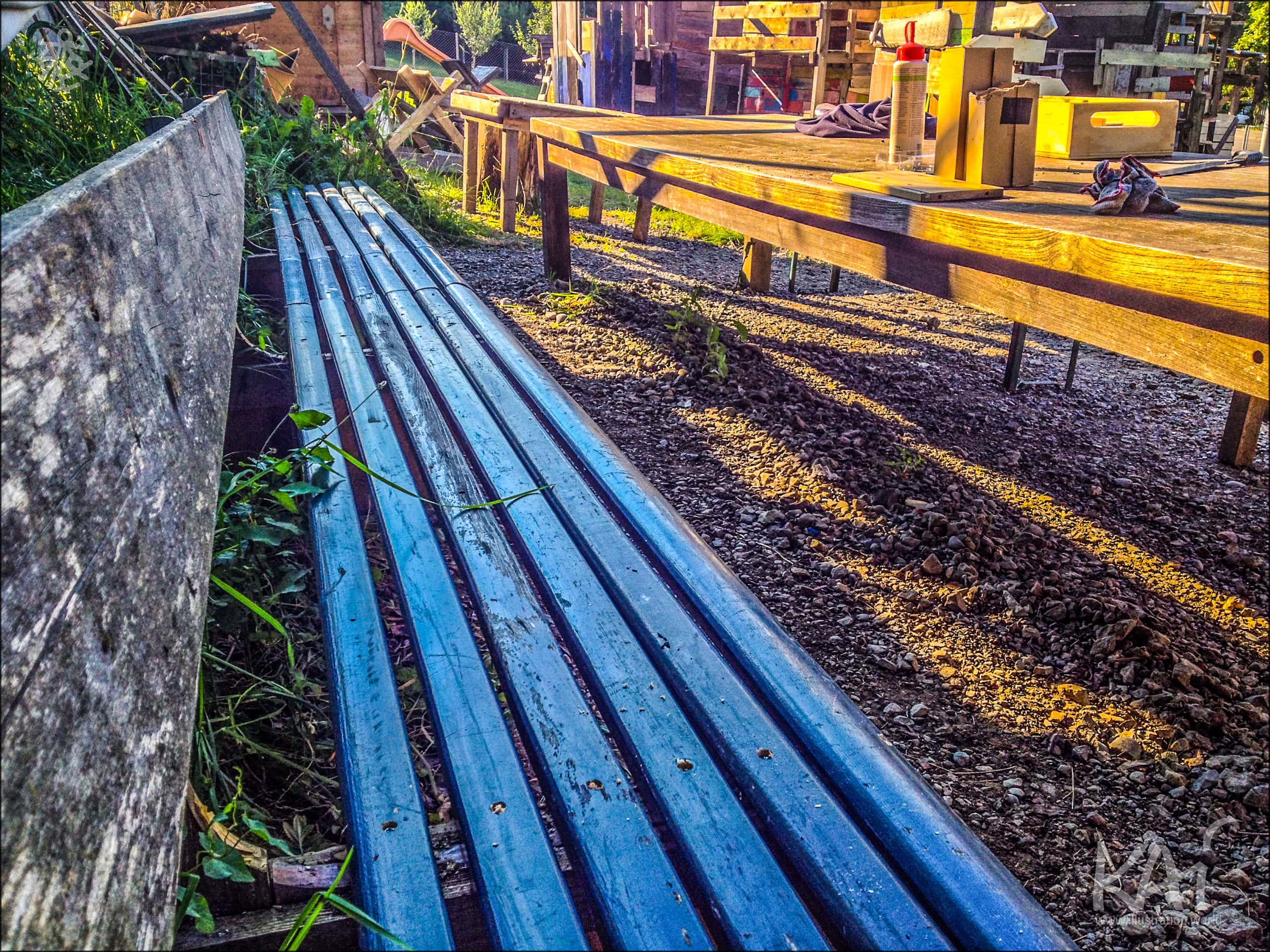
For me, three rules always applied: care in handling materials, care in dealing with others, and care in dealing with nature. This also included respect for what had already been built, for the work of others, and for the natural environment. After all, the playground is also a small nature reserve, home to slow worms, spiders, wasps, and field mice.
When I think back today, I see many children—and one in particular: my own daughter. She was often at the playground, moving with a natural ease among wood, fire, and earth, as if she had never known anything else. I see her wandering dreamily across the site, disappearing somewhere between huts, planks, and ropes, only to reappear later—with shining eyes, dirty hands, and a story she alone could have experienced.
She loved this place. And perhaps that is what remains: that such places exist—for children searching for their own path, and for adults who allow them the space to do so.
I believe we had one of the most beautiful adventure playgrounds in Switzerland. I thank the visionaries whose persistence and tireless efforts made this wondrous place possible and kept it alive.
May the playground, as an ever-changing oasis, always exist. Without signs dictating what is allowed and what is forbidden. Because life itself is dangerous; nothing that truly matters is signposted—and everyone needs an inner compass.
— KAI —
© Kai Jerzö, written in January 2018, corrected and published in April 2026.
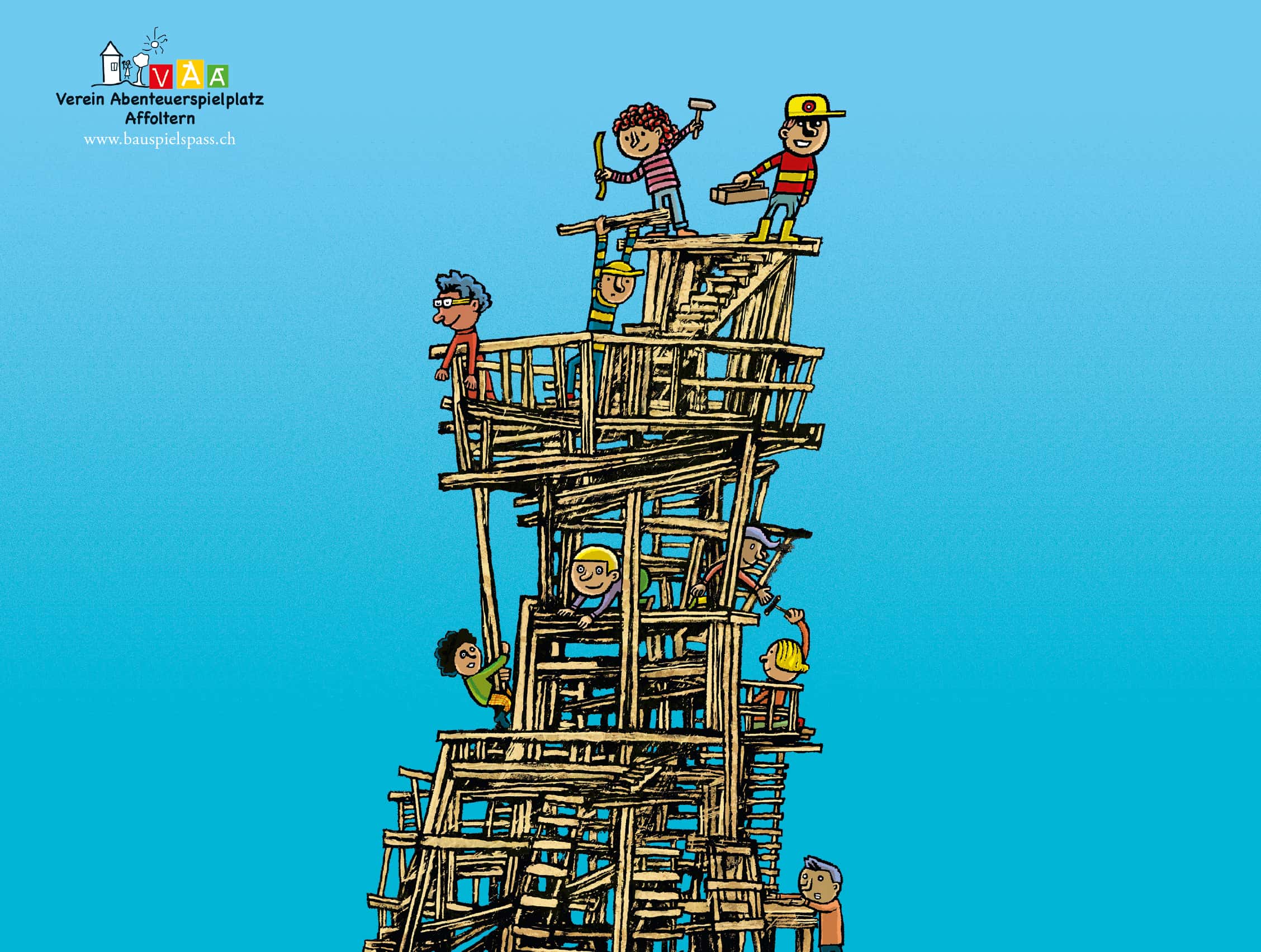
Here’s the playground as it is today:
www.bauspielspass.ch